

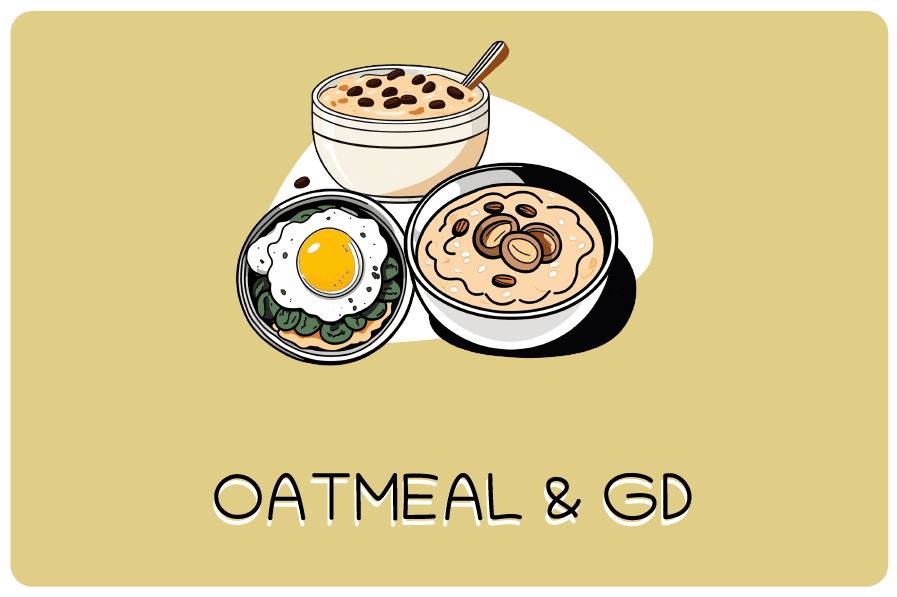
Being diagnosed with gestational diabetes means reevaluating your everyday food choices—but that doesn’t mean your favorite breakfasts are off-limits. In fact, aside from the usual pregnancy no-gos like raw meat, certain fish, or unpasteurized cheese, no food is completely off the table. It’s all about portion size, food pairing, and how your body responds.
Oatmeal is a popular and comforting choice. But while it’s often considered a “complex carb,” it’s still a pure carbohydrate, meaning it can raise blood sugar quickly if not paired properly. The good news? With the right adjustments, oatmeal can absolutely fit into a gestational diabetes-friendly diet and be a great nutritious breakfast.
Every pregnancy is different, though, so it’s essential to test your blood sugar after eating to see how oatmeal affects you. That’s the best way to know whether it works for your body and how to adjust if needed.
Want to see how other GDMamas are preparing their oatmeal? Browse real meal photos in the HIgedi app—complete with blood sugar readings 1-2 hours later. It's the easiest way to see what's working for others managing gestational diabetes.
Oatmeal is considered a complex carb, but it's still carbohydrate-heavy, which can cause blood sugar to spike—especially in the morning, when many people are most insulin-resistant.
The key is to:
Choose the right type of oats
Control your portion
Balance with protein and fat
Not all oats are created equal. Here’s how they compare:
Steel-cut oats: The best choice. Least processed, lower glycemic impact, slowest to digest.
Old-fashioned rolled oats: A solid second-best. Slightly more processed but still relatively slow to digest.
Instant oats: Not recommended. These are heavily processed and digest quickly—often leading to blood sugar spikes.
Avoid pre-flavored or sweetened oatmeal packets. They often include added sugars, which can spike blood sugar even faster.
To make oatmeal work with gestational diabetes:
Oatmeal on its own is mostly carbohydrates. Balance it with:
A scoop of protein powder for a high protein boost
A couple of boiled eggs on the side
Chopped nuts, seeds (e.g. sunflower seeds, pumpkin seeds) or nut butter stirred in
Full-fat Greek yogurt
Non-starchy vegetables like spinach for added nutrients and better blood sugar control
Healthy fats slow digestion and help reduce the glucose impact.
Stick to 1/4 (1/3 max) dry oats per serving, especially in the morning. Even healthy carbohydrates can raise blood sugar when portioned too generously.
Extra fiber slows digestion and can blunt blood sugar spikes. Try adding:
Chia seeds
Ground flaxseeds
Berries (in moderation)
Avoid added sugar and dried fruit in toppings.
Eat a bite or two of your protein source before digging into the oats — this can help blunt the spike.
Consider a short walk after breakfast to further support blood sugar control.
Don't forget about hydration! Drink plenty of water throughout the day. Drinking water helps maintain blood sugar levels and keeps you hydrated. Incorporate water into your daily plan and choose it over sugary drinks or high-calorie beverages.
Everyone responds differently. After eating oatmeal, check your blood glucose levels 1-2 hours later (depending on your provider's guidelines). If it’s within your target range, it’s a green light. If not, tweak the portion or balance more protein in.
Managing gestational diabetes through personalized dietary adjustments is crucial for maintaining stable blood sugar levels.

1/4 cup steel-cut or rolled oats
2/3 cup water or unsweetened milk (coconut milk or almond milk)
1 scoop vanilla protein powder
1 tbsp peanut butter
1 tbsp ground flaxseed
A sprinkle of cinnamon
Cook oats in water or milk, stir in protein powder at the end, and top with remaining ingredients.

1/4 cup rolled oats
1/2 cup low-sodium broth (chicken, veggie, or bone broth)
Topped with:
Fried egg
Sautéed spinach (in olive oil)
Shaved parmesan
Sprinkle of nutritional yeast
Cook oats in broth and assemble toppings after cooking.

1/4 cup oats
2/3 cup water or unsweetened almond milk
1/2 cup plain Greek yogurt (stirred in after cooking)
1–2 tbsp chopped walnuts
1 tbsp hemp hearts
A few fresh berries or a drizzle of almond butter
Cook oats, stir in yogurt, and top with nuts and berries.
Be cautious about adding sweeteners like honey, maple syrup or brown sugar to maintain stable blood sugar levels. Adding fresh fruit not only enhances the flavor but also provides essential nutrients, but be sure to stick to low glycemic index fruit. Think berries, cherries, or a little grated apple! To read about best fruits for managing gestational diabetes, head to our blog post 7 Best Fruits for Gestational Diabetes (plus ones to avoid).
Tried one of these recipes? Share your results in the HIgedi app and see what oatmeal combinations are keeping other moms' blood sugar steady. Real meals, real numbers, real support.

1/4 cup oats
2/3 cup water or unsweetened milk
2–3 egg whites (whisked in during final minutes of cooking)
1 tbsp almond or peanut butter
Pinch of salt and cinnamon
Optional: dash of vanilla extract or cacao nibs
Stir egg whites in while oats simmer — they’ll cook into a fluffy texture.

1/4 cup oats
2/3 cup water or unsweetened milk
1/2 cup finely grated zucchini (stirred in during cooking)
1 scoop unflavored, vanilla, or chocolate protein powder
1 tbsp almond butter
1 tbsp hemp seeds
1 tbsp unsweetened cocoa powder
Optional: a few dark chocolate chips or a dollop of Greek yogurt
Cook oats with zucchini and liquid, then stir in protein, cocoa, and toppings.
** General cooking recommendation:
If you'd like your oatmeal thicker, reduce the liquid slightly or cook it for a little longer. For a thinner consistency, you can add extra water or milk as you go. It's always best to check while cooking and adjust according to your texture preference.
Oatmeal can work for gestational diabetes when you balance it right—but the key is testing your personal response and learning what works for your body. You don't have to figure this out alone. Join other gestational diabetes moms in the HIgedi app sharing their oatmeal wins, blood sugar results, and judgment-free support. Browse what's working for others, or share your own protein-packed creations.
1. Can you eat oatmeal with gestational diabetes?
Generally yes, you can — but how you eat it matters. While oatmeal is often labeled a "complex carb," it's still a carbohydrate that can raise blood sugar. The key is to focus on portion size, balance with protein and fat, and testing your response. Everyone reacts differently, so checking your blood sugar after eating is the best way to know if it works for you.
2. Is oatmeal good for gestational diabetes?
Oatmeal can be a healthy option when prepared the right way. It contains soluble fiber, which helps slow digestion and may support more stable blood sugars. Eating healthy by combining oatmeal with protein and healthy fats can help manage blood sugar levels effectively. For best results:
Choose steel cut oatmeal or rolled oats (skip instant)
Pair with protein (like eggs, protein powder, or Greek yogurt)
Add healthy fats (like nut butter or seeds)
Avoid large portions or sugary toppings
Choosing the right kind of oats helps support your energy and overall heart health. Oatmeal can also support weight management goals by promoting satiety, helping you feel full longer, which is beneficial for overall health.
3. Is overnight oats a good option for gestational diabetes?
Overnight oats can work — if they’re balanced. Since they’re often made with milk and fruit, the carb load can add up quickly. To make them blood sugar–friendly:
Use a smaller portion of oats (1/3 cup uncooked)
Mix in protein (like protein powder, collagen, or Greek yogurt)
Add healthy fats (chia seeds, nut butter)
Go easy on the fruit or opt for berries
4. What kind of oats are best for gestational diabetes?
Steel-cut or old-fashioned rolled oats are the best choices because they are less processed and have a lower glycemic impact compared to quick or instant oats. Avoid flavored or instant packets, which often contain added sugars.
5. How much oatmeal can I eat with gestational diabetes?
Portion control is key. Start with about 1/4 cup of uncooked oats (which cooks up to roughly 1/2—3/4 cup), and pair with protein and fat to help minimize blood sugar spikes. Always test your glucose response to find the right portion for you.
6. Can I eat instant oatmeal with gestational diabetes?
Instant oatmeal — especially prepackaged and flavored varieties — is not the best choice for gestational diabetes. These often contain added sugars and have less soluble fiber than steel-cut or rolled oats, which can lead to faster blood sugar spikes. If you do opt for instant oats, choose plain versions and add your own blood sugar–friendly and high-protein toppings like nuts, seeds, Greek yogurt, a scoop of protein powder. In general, focusing on whole foods and less processed options can help keep your blood sugar more stable.
7. What should I pair with oatmeal to avoid blood sugar spikes?
The best way to keep your blood sugar steady is to pair oatmeal with protein and healthy fats. Great options include:
Protein powder (vanilla or unflavored works well)
Greek yogurt (stirred in or on the side)
Eggs (a boiled egg or two on the side)
Nut butter (peanut, almond, or cashew butter)
Nuts and seeds (walnuts, hemp hearts, chia seeds, flaxseed)
These additions slow digestion and help prevent the quick blood sugar spike that plain oatmeal can cause.
8. Is oatmeal better for breakfast or as a snack with gestational diabetes?
Most people find oatmeal works better as a snack rather than breakfast — especially in the morning, when insulin resistance is typically highest. If you do eat oatmeal for breakfast, make sure to:
Keep portions small (1/4 cup uncooked)
Add plenty of protein and fat
Test your blood sugar 1-2 hours after to see how you respond
If your fasting numbers are already high or you struggle with morning blood sugar, consider saving oatmeal for an afternoon snack instead.
9. What if my blood sugar spikes after eating oatmeal?
If your blood sugar goes above your target range after eating oatmeal, don't panic — it just means you need to adjust. Try:
Reducing your portion
Adding more protein or fat (an extra egg, more nut butter, or protein powder)
Switching to steel-cut oats if you're using rolled oats
Eating oatmeal later in the day (afternoon or evening instead of breakfast)
Going for a short walk after eating to help your body use the glucose
Everyone's body responds differently, so it may take a few tries to find what works for you. And remember — if oatmeal consistently spikes your blood sugar, it's okay to skip it and choose other breakfast options.
10. Can I add fruit to my oatmeal with gestational diabetes?
Generally yes, but only if there's enough additional protein added to your meal to offset the carbs. Fruit adds natural sugars and carbohydrates, so you'll need extra protein (like protein powder, Greek yogurt, or eggs on the side) to keep your blood sugar stable.
When adding fruit:
Choose low glycemic options like berries (blueberries, strawberries, raspberries)
Keep portions small — about 1/4 cup or a small handful
Always pair with protein and fat to slow digestion
Avoid:
Dried fruit (raisins, cranberries, dates) — these are concentrated sugar
Bananas — higher glycemic impact
Large portions of any fruit
If you're unsure, test your blood sugar 1-2 hours after adding fruit to see how your body responds.
11. Are oatmeal cookies or oat-based snacks okay for gestational diabetes?
It depends on how they're made. Store-bought oatmeal cookies and granola bars are usually loaded with added sugar and refined carbs, which will spike your blood sugar quickly.
However, homemade oat-based treats made with:
Almond or coconut flour
Natural sweeteners (monk fruit, stevia, erythritol)
Protein powder
Nut butter and eggs
...can be a blood sugar-friendly option when portioned carefully. Always test your blood sugar after trying a new recipe to see how it affects you.
12. What are some other good breakfast ideas for a gestational diabetes diet?
Some great breakfast ideas for GD include:
Scrambled eggs with sautéed spinach and avocado, served with a piece of low-carb toast
Chia seed pudding made with unsweetened almond milk, chia seeds, and a few berries
Breakfast burrito with eggs, cheese, non-starchy veggies, and a whole grain wrap
Greek yogurt with walnuts, ground flaxseed, and a few berries
Veggie omelet with cheese and breakfast meat, served with a piece of low-carb toast and some avocado slices
For more inspiration, check out our full post on 10 GD Breakfast Ideas for Healthy Blood Sugar Control.
Get a Free 20-Day Shopping List