

Ever wondered why the same food can spike your blood sugar one day but not the next? It’s not just about what you eat, how much you eat, or even the order you eat it in—it’s also about how you cook it. Let’s break down how cooking methods, fats, and even the liquid you use can change your blood sugar response (and how you can use this info to enjoy more foods, not less!).
Cooking changes the structure of food—especially fiber and starch. The more you cook (and the higher the heat), the more you break down fiber, making it easier for your body to absorb glucose. That means your blood sugar can rise faster with some cooking methods than others.
High-heat methods like roasting and frying break down fiber more than gentle steaming or microwaving. The softer and more "mushy" something is, the quicker your body turns it into glucose.
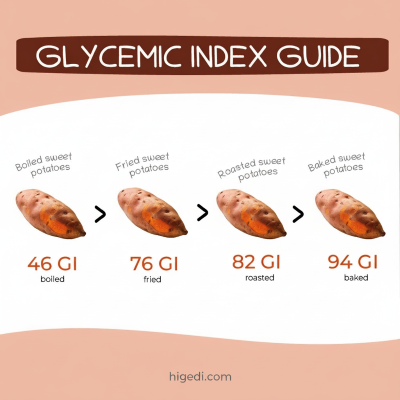
Some foods can have very different effects on your blood sugar depending on how you cook them. Here are a few real-life examples and quick GI breakdowns:
Roasted vs. Microwaved Sweet Potato:
A roasted sweet potato (soft, caramelized) usually spikes blood sugar more than a microwaved one (firmer, less breakdown).
Baked Potato vs. Boiled Potato:
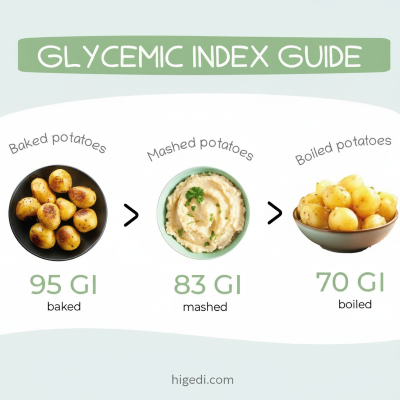
A baked potato (fluffy, golden skin) tends to raise blood sugar more than a boiled potato (firmer, less starch breakdown). Boiling keeps the GI lower—so if you love potatoes, try them boiled or even cooled for potato salad.
Boiled Beetroot vs. Fresh Beetroot:
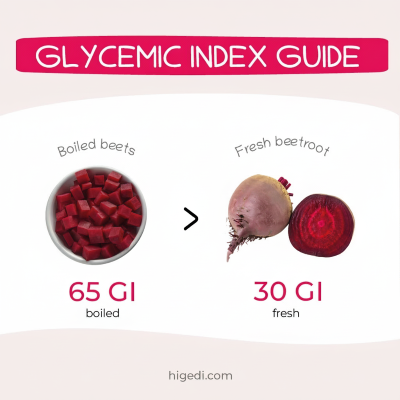
Boiled beetroot is softer and sweeter, which can mean a quicker spike compared to fresh, crunchy beetroot slices. If you want to keep things gentle, try adding raw beetroot to salads.
Baked Carrots vs. Fresh Carrots:
Baking brings out the natural sugars and makes carrots softer (and sweeter!), which can lead to a bigger spike. Fresh, crunchy carrots are lower GI and usually kinder to your blood sugar.
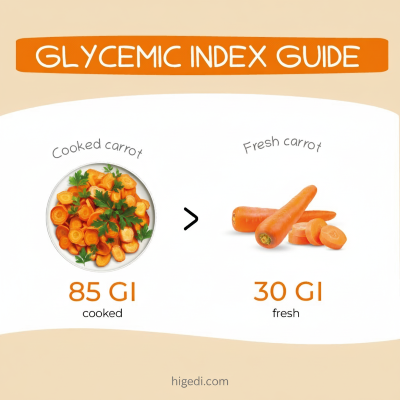
Visual comparison tip:
The more golden, crispy, or caramelized a food looks, the higher the GI usually is. Softer and sweeter often means faster glucose absorption.
Adding fat (like oil or butter) slows glucose absorption a bit, so your blood sugar spike might be less sharp. But more fat also means more calories, so balance is key.
Fried vs. boiled: Fried foods have more fat, which can blunt the spike—but also add calories.
Best oils for GD: Olive oil, avocado oil, and canola oil are good choices for roasting or sautéing.
Boiling in water keeps things simple, but boiling in broth or stock adds protein and flavor (and can slightly slow glucose absorption). Try cooking potatoes or veggies in a protein-rich broth for extra nutrition.
Enriched broth recipe tip: Add an egg or a scoop of protein powder to your soup or broth for a little protein boost!
Butter, olive oil, herbs, and spices don’t spike blood sugar, but they do add flavor and nutrition. Watch portions with butter/oil for calories, but don’t fear herbs and spices—they’re great for gestational diabetes cooking!
Practical swaps: Use olive oil instead of butter, or add fresh herbs to boost flavor without extra carbs.
Best methods for each food:
Sweet potatoes: Boil, steam, or microwave for lowest GI.
Potatoes: Boil or steam.
Carrots, beets: Steam or eat raw for gentler impact.
Corn: Steam or grill, skip frying.
When to skip cooking: Raw is usually lowest GI (but not always practical or tasty!).
Quick meal prep: Batch-boil veggies, then reheat or season as needed. cooking them in
If you’ve ever felt like you have to give up all your favorite foods, I hope this helps you see that sometimes a simple swap—like boiling instead of roasting, or cooking them in broth—can make a real difference. Experiment, test, and remember: there’s no one “right” way. Your journey is your own, and you’re doing amazing just by being here and trying. 💛
1. Does cooking method matter more than portion?
Portion size always matters, but cooking method can make a big difference—especially for starchy veggies.
2. Can I lower the glycemic index of a food by changing how I cook it?
Yes! Boiling or steaming usually lowers the GI compared to roasting or frying. Pairing with protein (and fat) is still the key.
3. Is it healthier to always eat foods raw?
Not always—some nutrients are actually more available after cooking, and cooked foods can be easier to digest. Test and see what feels best for you.
4. Which cooking oil is best for gestational diabetes?
Olive oil, avocado oil, and canola oil are great choices for roasting or sautéing.
5. Does adding butter or oil to veggies make a difference?
A little fat can help slow blood sugar rise and make veggies more satisfying. Just keep portions moderate.
6. Can I use an air fryer for GD-friendly cooking?
Yes! Air fryers use much less oil than deep frying, so they’re a good option—just remember, air-fried foods are usually higher GI than boiled or steamed.
7. Does cooking with broth or stock help my blood sugar?
Cooking in broth adds protein and flavor, which can help slow glucose absorption and make meals more filling.
8. What’s more important: cooking method or portion size?
Both matter! Portion size is always key, but cooking method can change how your body processes carbs—especially for starchy foods.
9. Do herbs and spices affect blood sugar?
No. Herbs and spices add flavor and antioxidants without impacting blood sugar. Go wild with basil, parsley, cinnamon, cumin, and more.
Get a Free 20-Day Shopping List