

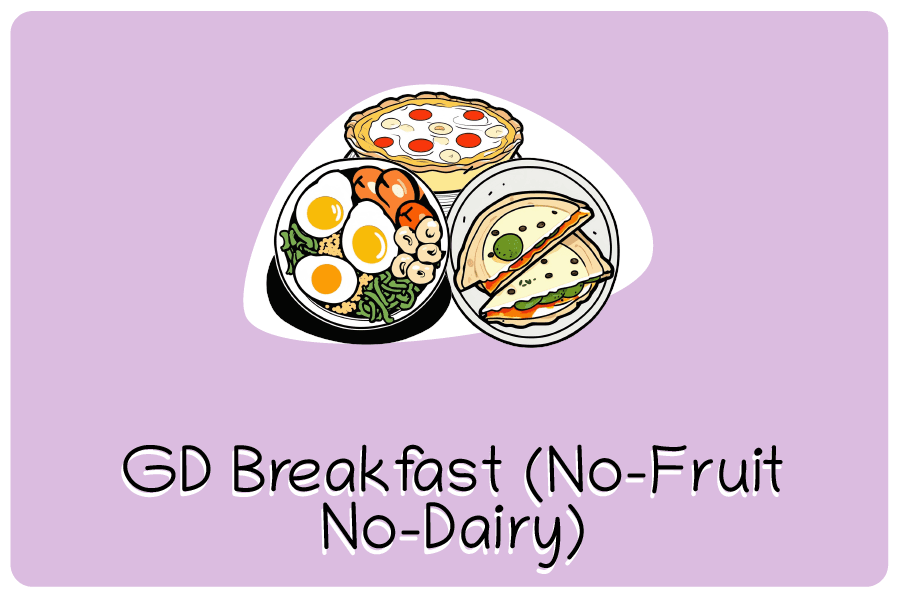
If you have gestational diabetes (GD), breakfast can feel like the toughest meal of the day. A lot of us are more insulin resistant in the morning (thanks, placenta hormones), which means the same carbs you tolerate later can hit way harder at breakfast.
Some providers suggest skipping fruit and milk at breakfast (at least at first) because fructose and lactose can spike more easily in the morning. But this isn’t a one-size-fits-all rule — it’s a starting point. The goal is to build a breakfast that gives you steady energy and keeps your blood sugar in range.
Julija note: If breakfast has you feeling stressed or defeated, you’re not failing. Morning numbers are just… rude sometimes. We’ll keep this practical and doable.
Balance matters: aim for a breakfast that includes protein + healthy fats + fiber, with a measured carb portion (if you’re including carbs).
Choose slower carbs: when you do include carbs, many GD mamas do best with whole grains (like steel-cut oats) or higher-fiber options.
Protein is your best friend in the morning: eggs, tofu, meats, seeds, nuts, and veggies can help blunt spikes.
Test and adjust: check your blood sugar at your clinic’s recommended timing (often 1–2 hours after eating) and tweak portions based on your response.
Follow your care team: targets and carb ranges vary by clinic and country.
Overnight, pregnancy hormones can make you more insulin resistant — so simple sugars (including fruit sugars) and lactose in milk may cause a bigger spike in the morning than they would later in the day.
When you’re newly diagnosed, removing fruit and milk at breakfast can make it easier to hit your post-meal targets while you’re figuring out what your body tolerates.
Important: this is not a forever rule. It’s a test-and-see strategy. Many mamas can reintroduce fruit or dairy later in the day (or even at breakfast) once they understand their patterns.

Ingredients:
½ cup cooked quinoa
2 large eggs (poached, scrambled, or fried)
2 oz cooked meat (rotisserie chicken, turkey bacon, or dinner leftovers such as cooked chicken or turkey)
1 cup sautéed spinach
1 cup sautéed mushrooms
1 tbsp olive oil
Optional: ¼ cup shredded Havarti, Cheddar, or feta cheese
Optional: Add your favorite veggies (choose non-starchy veggies) for extra flavor and nutrients
Optional: Half an avocado, sliced, for topping
Instructions:
Heat olive oil in a skillet and sauté spinach and mushrooms until tender.
Reheat or cook meat of choice, if needed.
Cook eggs to your preference.
Assemble quinoa in a bowl, top with veggies, meat, eggs, and optional cheese.
Serve warm.
This recipe offers an alternative to traditional breakfast foods while being suitable for gestational diabetes diet.

Ingredients:
1 small whole-wheat or low-carb tortilla
2 eggs + 1 egg white
½ cup cottage cheese*
½ cup shredded Havarti or Cheddar
½ cup spinach
1 tomato, diced
*For lactose-sensitive: use ½ cup silken tofu instead of cottage cheese.
Instructions:
Preheat oven to 350 °F (175 °C).
Lightly spray a small baking dish or oven-safe skillet.
Place tortilla at the bottom to form a base.
In a bowl, whisk eggs, egg white, and cottage cheese (or tofu).
Stir in spinach, tomato, and cheese.
Pour mixture over tortilla and bake for 20 minutes or until set.
Let cool slightly before slicing and serving.

Ingredients:
3 tbsp chia seeds
1 cup unsweetened almond milk
1 scoop vanilla protein powder
1 tbsp almond butter
1-2 tbsp chopped almonds
Instructions:
Mix chia seeds, unsweetened almond milk and protein powder until well combined.
Refrigerate overnight to thicken.
Add almond butter and stir well. Top with chopped almonds.

Ingredients:
¼ cup steel-cut oats
½ cup low-sodium stock
1–2 eggs, fried
1 cup spinach, sautéed
Parmesan shavings
Crumbled bacon (optional, for added protein, 1–2 slices)
Sprinkle of nutritional yeast (optional, for added flavor and protein)
Instructions:
Cook oats in stock according to package instructions until tender.
While oats cook, sauté spinach and fry eggs.
Assemble oats in a bowl.
Top with eggs, spinach, bacon, and Parmesan.
Serve warm.

Ingredients:
1 small low-carb tortilla
2 eggs
¼ cup unsweetened almond milk
1 cup spinach
½ cup shredded Havarti, Cheddar or Parmesan
¼ onion, diced
1 tsp pesto
Instructions:
Whisk eggs with almond milk. Scramble in a pan with onions and spinach.
Lay tortilla flat. Spread egg mixture on half.
Sprinkle cheese and pesto, then fold.
Toast in a pan until both sides are golden.
Slice and serve.
Tried one of these recipes? Share it in the HIgedi app and show other moms what worked for your blood sugar! See what breakfast combinations are keeping their numbers steady.
A great alternative to a veggie omelet, offering a plant-based, high-protein breakfast.

Ingredients:
½ block firm tofu, crumbled
½ cup bell peppers, chopped
¼ cup onion, diced
½–1 cup spinach
1 slice whole-grain toast
Olive oil
Optional: butter or hummus for toast
Instructions:
Heat olive oil in a skillet.
Sauté onions and peppers until softened.
Add tofu and spinach, cook for 3–5 minutes.
Season with salt, pepper, turmeric, or garlic powder.
Serve with toast and optional topping.

Ingredients:
1 tbsp olive oil
1 small onion, diced
2 bell pepper, chopped
1 can (14 oz) diced tomatoes
1 tsp paprika
2 tsp ground cumin
Salt and pepper to taste
2–4 eggs
Fresh parsley for garnish (optional)
1 slice of low-carb or sourdough bread for dipping
Instructions:
Heat olive oil in a skillet over medium heat.
Sauté onion and bell pepper until softened, about 5 minutes.
Add paprika, and cumin; cook for 1 minute until fragrant.
Pour in diced tomatoes with their juice. Simmer for 10–15 minutes, allowing the sauce to thicken.
Season with salt and pepper.
Make small wells in the sauce and crack an egg into each.
Cover the skillet and cook until eggs are set to your liking, approximately 5 minutes.
Garnish with fresh parsley (or other herbs) or sprinkle everything bagel seasoning on top of the shakshuka before serving if desired.
Serve hot with your choice of bread.
Note on Bread Choices:
Low-Carb Bread: Opt for breads that are low-carb to minimize carbohydrate intake.
Sourdough Bread: Sourdough bread has a lower glycemic index (GI) compared to regular white bread, meaning it causes a slower rise in blood sugar levels. This is due to its fermentation process, which alters the structure of carbohydrates, making them more digestible and leading to improved blood sugar control.
Whole Wheat Toast: Whole wheat toast is a nutritious carbohydrate option. Its high fiber content helps maintain satiety and is beneficial for those managing dietary needs such as gestational diabetes.
When selecting bread, consider your personal blood sugar response and dietary preferences.

Ingredients:
½ cup almond flour
1 large egg
¼ cup unsweetened almond milk
¼ tsp baking powder
Sweetener to taste (e.g., monk fruit, stevia)
Instructions:
Whisk all ingredients until smooth.
Heat a greased skillet on medium heat.
Pour batter to form small pancakes.
Flip when bubbles form; cook until golden.
Serve with sugar-free maple syrup, nut butter, crushed nuts, and/or coconut cream.
For more low-carb pancake (and waffles!) recipes, head to Gestational Diabetes Pancakes and Waffles: 10+ Low Carb Recipes.

Ingredients:
2 large eggs
2 tbsp natural peanut butter (no added sugar)
¼ tsp baking powder
¼ tsp baking soda
Sweetener to taste
Instructions:
Blend all ingredients until smooth.
Preheat and grease your waffle maker.
Pour in batter and cook until crisp and golden.
Top with sugar-free syrup, crushed nuts, or coconut cream.

Ingredients:
1 cup cooked riced cauliflower (squeeze out excess water)
1 large egg
¼ cup shredded cheddar or mozzarella
¼ tsp baking soda
Garlic powder, salt, and pepper to taste
Instructions:
Mix all ingredients until well combined.
Press mixture into a waffle maker.
Cook until golden and crisp.
Serve with avocado and sautéed veggies (spinach, mushrooms, roasted tomatoes).
Breakfast is where “fast carbs” tend to cause the most trouble. These are common spike triggers for many GD mamas:
Refined grains (white bread, white rice, regular pasta) and starchy sides (like potatoes) — digest quickly and can spike fast.
Fruit juice (even “natural”) — concentrated sugar with little/no fiber.
Sugary cereals + baked goods (muffins, pastries) — often refined flour + added sugar.
Sweetened drinks (soda, sweet coffee drinks, sports drinks) — liquid sugar hits quickly.
Packaged “snacks” marketed as healthy (many granola bars, flavored yogurts) — often higher carb + added sugar than you’d expect.
Julija note: This doesn’t mean you can never eat these foods again. It just means breakfast is usually the hardest time to make them work — and if you’re spiking, it’s not you being “bad,” it’s timing + hormones.
Julija note: This doesn't mean you can never eat these foods again. It just means breakfast is usually the hardest time to make them work — and if you're spiking, it's not you being "bad," it's timing + hormones. The truth is, there's no universal "forbidden foods" list for GD; it comes down to portion, pairing, and how your body responds. I wrote more about that mindset shift in the Why "do not eat" lists don't works (and what to do instead) post.
If mornings are chaos (or nausea is doing its thing), aim for simple + repeatable:
Prep once, eat twice: make chia pudding, quinoa, or egg-based options ahead of time.
Leftovers count: breakfast doesn’t have to be “breakfast food.” Chicken + veggies + a small carb portion can be a perfect GD breakfast.
Go heavier on protein first: if you’re spiking, try increasing protein before cutting carbs further.
If nausea is rough: cold foods, bland foods, or smaller portions can be easier to tolerate. Even a “mini breakfast” is better than nothing.
If you’re overwhelmed, stuck, or your numbers feel unpredictable, a registered dietitian nutritionist (RDN) can help you:
personalize carb targets for your body
build breakfasts you actually like
adjust your plan as insulin resistance changes later in pregnancy
reduce the mental load (because gestational diabetes already takes up enough brain space)
A GD-friendly breakfast doesn’t need to be perfect — it needs to be repeatable and steady.
Start with protein + fiber + healthy fats, keep carbs measured (if you’re including them), and use your meter as feedback.
Julija note: If today’s breakfast didn’t go to plan, you didn’t “mess up.” You’re learning your body in a season where hormones change the rules constantly. That’s hard — and you’re still showing up. 💜
1. Why skip fruit and milk in the morning with gestational diabetes?
Some providers recommend it because morning insulin resistance can make fruit sugars and lactose spike more easily. It’s often a starting strategy — not a forever rule.
2. How much protein should I aim for at breakfast with gestational diabetes?
A helpful starting point is to pair carbs with enough protein to buffer the spike. Since breakfast is often the most carb‑sensitive time of day, many GD mamas do best aiming for equal grams of carbs and protein (e.g., 30g carbs + 30g protein). If you're spiking, try increasing protein first before cutting carbs further.
3. Can I reintroduce fruit or milk later in the day with gestational diabetes?
Often yes. Many mamas tolerate fruit or yogurt better at lunch/dinner/snack than at breakfast. Test and see what works for you.
4. How do I know if a recipe works for me?
Test your blood sugar at your clinic’s recommended timing (often 1–2 hours after eating). If you’re trying something new, keep the portion smaller and make sure there’s enough protein for balance.
5. What are some gestational diabetes breakfast ideas with no eggs?
Chia pudding, tofu scramble, savory quinoa bowls, protein waffles/pancakes, or a DIY protein shake (balanced with fiber/fat). For inspiration, check out our 12 High-protein breakfast ideas (beyond eggs).
6. What should I eat for breakfast with gestational diabetes?
A steady breakfast usually includes protein + fiber + healthy fats, plus a measured carb portion. Your meter helps you personalize the exact amounts.
7. Are healthy fats like avocado or olive oil okay at breakfast?
Yes — healthy fats can slow digestion, improve satiety, and help blunt spikes.
8. Can I have smoothies for breakfast with gestational diabetes?
Sometimes, but smoothies can spike for some people in the morning. If you try one, add protein (Greek yogurt, cottage cheese, protein powder), fat (nut butter/avocado), and fiber (chia/flax), and keep fruit minimal. Test your response.
9. What are quick breakfast ideas for busy mornings with gestational diabetes?
Chia pudding prepped the night before, leftovers, tofu scramble, or a simple protein + veggie + small carb combo you know you tolerate. You'll find plenty of make ahead breakfast ideas in our 12 High-protein breakfast guide.
10. Why is breakfast important for you and baby with gestational diabetes?
Eating breakfast helps prevent your body from releasing extra glucose to compensate for the "fast" overnight — which can make morning numbers harder to manage. A balanced, protein-forward breakfast also delivers key nutrients for you and baby and may help reduce complications linked to high glucose.
Get a Free 20-Day Shopping List